Patient education • India edition — practical food guidance, not a diagnosis

Language / भाषा
Text size
A practical guide for patients & families

Eat iron-rich.
Absorb it better.

Iron in the meal is only part of the story. Choose an iron source, add vitamin C to the same meal, and keep tea or coffee away from mealtimes.

Indian food examples Vegetarian & mixed-diet options Clinically cautious
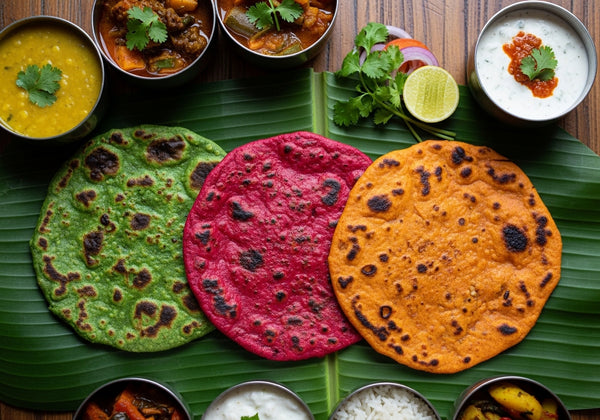
Indian Iron Rich Meal Thali with Palak Dal, Lemon and Guava
Iron-smart Indian Thali: Palak Dal (non-haem iron) + fresh lemon & guava (Vitamin C pairing). आयरन-स्मार्ट भारतीय थाली: पालक दाल (गैर-हीम आयरन) + ताज़ा नींबू और अमरूद (विटामिन C का साथ)।
IRON
+ VITAMIN Csame meal
TEA?wait 1 hour
Evidence base: ICMR–NIN Dietary Guidelines for Indians (2024) • WHO anaemia guidance (2025) • NIH Office of Dietary Supplements • peer-reviewed absorption research

Start here

Three rules that matter most

These simple meal habits are more useful than chasing a single “superfood.” They improve diet quality and, especially for plant foods, support better iron absorption.1,2

Choose an iron source

Use pulses, beans, soy foods, green leafy vegetables, nuts, seeds, selected dried fruits and iron-fortified staples. If you eat animal foods, meat, fish and poultry provide more readily absorbed haem iron; eggs also contribute iron.

Aim: an iron-containing food at main meals.

Add vitamin C

Guava, amla, oranges, mosambi, lemon/lime, tomato, capsicum, papaya, pineapple, green chilli and coriander chutney can improve absorption of non-haem iron when eaten in the same meal.

Easy move: squeeze nimbu after cooking.

Move tea & coffee

Polyphenols in tea and coffee bind non-haem iron and reduce absorption. Keep them at least 1 hour before or after an iron-rich meal; do not take them with the meal.5

Tea is not banned—timing is the tool.
!

Food is important, but anaemia is not always caused by low iron intake. Blood loss, pregnancy, infections, inflammation, vitamin B12/folate deficiency, poor absorption and inherited blood disorders can also cause anaemia. Persistent symptoms or a low haemoglobin result need clinical assessment.1

The useful science

Not all dietary iron behaves the same

Your body adjusts absorption according to its needs, but meal composition matters most for non-haem iron—the type found in plants and fortified foods.3

Non-haem iron

Plants & fortified foods

Found in dals, beans, leafy greens, seeds, grains, dried fruits and fortified foods. Absorption is variable and strongly influenced by the rest of the meal.

  • Help it: vitamin C; food diversity; soaking, sprouting or fermenting where suitable.
  • Reduce interference: move tea/coffee away from the meal.
Haem + non-haem iron

Meat, fish & poultry

Haem iron is generally absorbed more efficiently and is less affected by meal inhibitors. Animal foods also contain some non-haem iron.

  • Choose safe, well-cooked, varied options that fit your health needs and preferences.
  • Vitamin C-rich vegetables and fruits still improve the overall quality of the meal.
Iron-containing mealdal, greens, beans, fish or meat
Digestionvitamin C keeps non-haem iron more available
Absorptioniron can support haemoglobin production

Food guide

Build variety across the week

Exact iron content varies by variety, growing conditions, fortification, preparation and serving size. Use these as practical categories—not as a ranking or a substitute for prescribed treatment.4

Everyday staples

Pulses & beans

Affordable, versatile sources of non-haem iron, protein and fibre.

masoormoonguradtoor/arharchanarajmalobiapeas
Protective foods

Leafy greens

Rotate varieties rather than relying only on palak.

chaulai/amaranthsarsonbathuamethimoringa leavespalak
Small but useful

Nuts, seeds & soy

Use modest portions alongside regular meals.

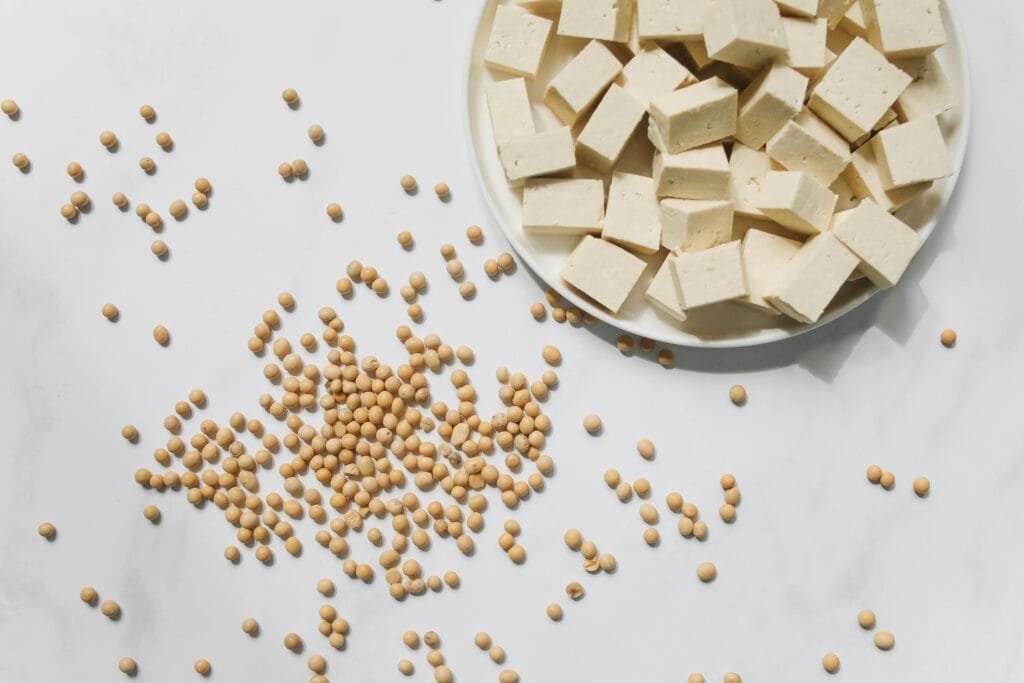
til/sesamepumpkin seedspeanutssoybeanstofuhalim/aliv seeds
If included in your diet

Animal-source foods

Lean meat, poultry and fish provide haem iron; eggs contribute iron but should not be your only iron strategy. Choose appropriately for age, pregnancy, kidney/liver conditions and cultural preferences.

fishchickenlean mutton/meateggs
Check the label

Fortified foods

Iron-fortified staples or cereals can add iron reliably when used as intended. “Fortified” must be stated on the pack; compare iron per serving and follow storage/cooking instructions.

fortified attafortified ricefortified cerealsdouble-fortified salt, where supplied
Visual Patient Gallery / दृश्य रोगी मार्गदर्शिका

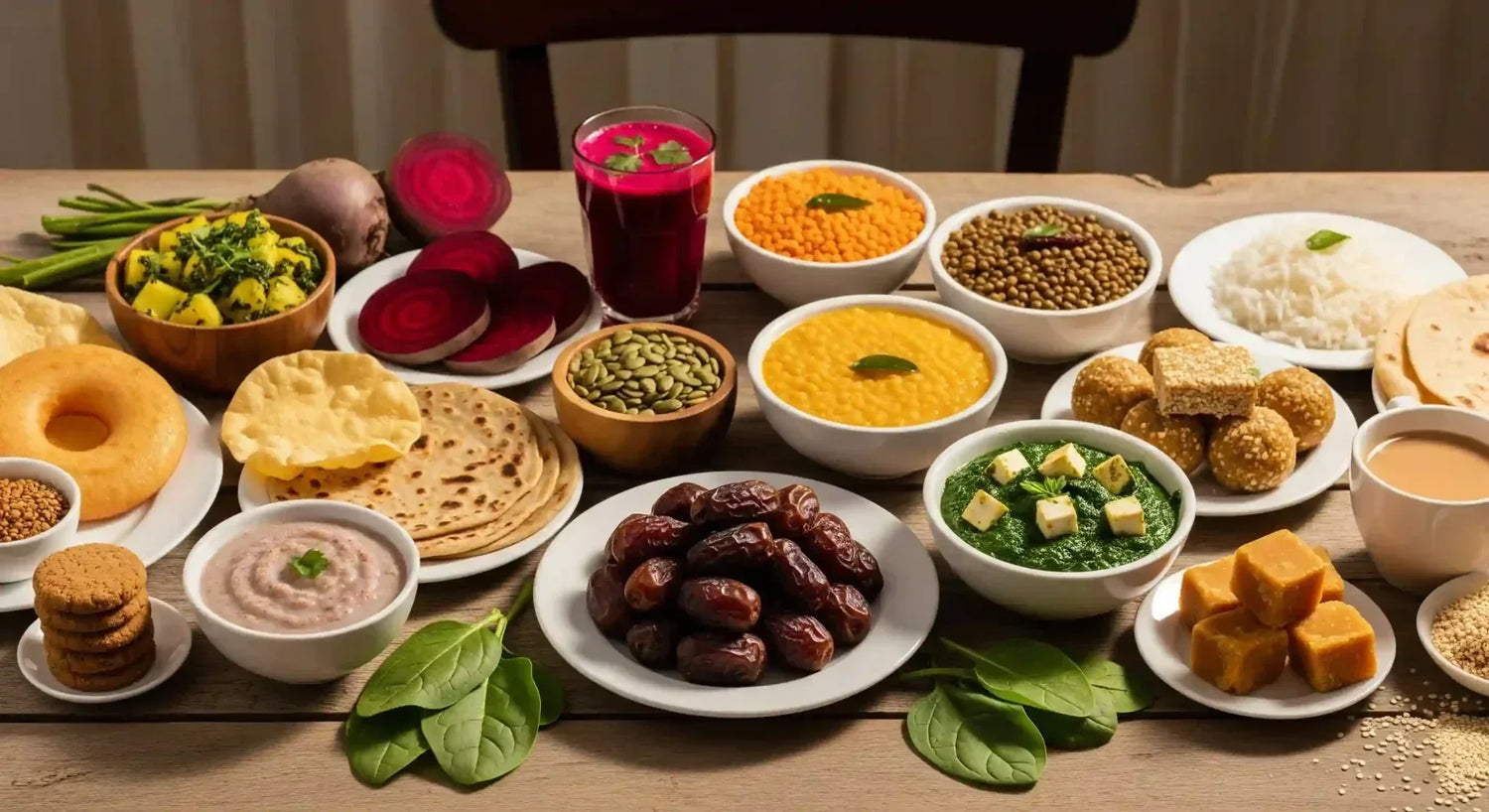
Indian Iron-Rich Foods & Vitamin C Meal Pairings

Key Indian staples: Palak (spinach), lentils (dal), chickpeas, amla, lemon & seasonal fruits.

Spinach, Lentils and Vitamin C Pairing
Palak & Dal: Iron-rich spinach & yellow moong/masoor dal.
Balanced Indian Thali with Lemon and Guava
Vitamin C Boost: Squeeze fresh lemon or add guava to meals.
Indian Lentil and Green Leafy Ingredients
Whole Grains & Legumes: Rajma, chana & sprouts.
Traditional Indian Thali Meal
7-Day Meal Ideas: Wholesome home-cooked thali.
The absorption partners

Put vitamin C on the plate—not hours later

Dal / rajma / chana + lemonAdd lemon or lime after cooking, just before eating.
Leafy sabzi + tomato or amla chutneyInclude the chutney as part of the same meal.
Besan or moong chilla + coriander–green chilli chutneyA practical breakfast pairing.
Iron-rich meal + guava / citrus / papayaHave the fruit with or immediately after the meal.

Interactive plate builder

Make one meal iron-smart

Pick one item in each column. The goal is a repeatable pattern: iron source + vitamin C + tea/coffee gap.

1. Iron source
2. Vitamin C partner
3. Beverage plan

Your iron-smart pattern: dal or beans + a squeeze of lemon or lime; water with the meal, tea or coffee later.

Tea & coffee timing

Protect the iron in your meal.

1 hour

Keep a gap of at least one hour before and after an iron-rich meal. Water is the simplest drink with meals.

Tea/coffee windowfinish ≥1 hour before Iron-rich mealuse water Tea/coffee windowwait ≥1 hour after
Do
  • Shift chai to between meals.
  • Pair plant iron with vitamin C.
  • Ask about a longer gap around iron tablets.
Remember
  • The issue is mainly polyphenols—not only caffeine.
  • Strong tea, green tea and coffee can all interfere.
  • Do not stop prescribed tablets to “use food instead.”

A controlled stable-isotope trial found that separating tea from an iron-containing meal by one hour reduced—but did not necessarily eliminate—the inhibitory effect. ICMR–NIN’s practical guidance is to avoid tea/coffee for at least one hour before and after meals.2,5

Kitchen techniques

Get more from familiar foods

Preparation can reduce some phytate in grains and legumes and improve overall digestibility. Effects vary, so use these methods as supportive habits—not guarantees.

01

Soak

Soak pulses/beans as appropriate, discard soaking water when the recipe allows, rinse and cook thoroughly. This may reduce some absorption inhibitors and improves cooking.

02

Sprout

Sprouting suitable pulses can reduce phytate. Use clean water and hygienic handling; cook sprouts for pregnant people, young children, older adults and anyone immunocompromised.

03

Ferment

Fermented batters such as idli/dosa can improve food quality. Pair sambar or pulse-based foods with tomato, chutney or fruit rich in vitamin C.

04

Finish fresh

Vitamin C is sensitive to prolonged heat. Add lemon/lime, raw tomato, guava, amla or fresh chutney at serving time when practical.

Common questions

Food myths, gently corrected

A nutritious food can still be an incomplete treatment. Think in meals and patterns, not miracle ingredients.

“Beetroot cures iron-deficiency anaemia.”

Beetroot is a nutritious vegetable, but it is not a concentrated replacement for medical iron therapy. Include it as part of a varied diet, not as a cure.

“Jaggery is enough to treat low haemoglobin.”

Jaggery may contain some iron, but amounts vary and it is a concentrated free-sugar food. It should not be relied on to correct deficiency or replace prescribed iron.

“Palak is the only useful vegetarian source.”

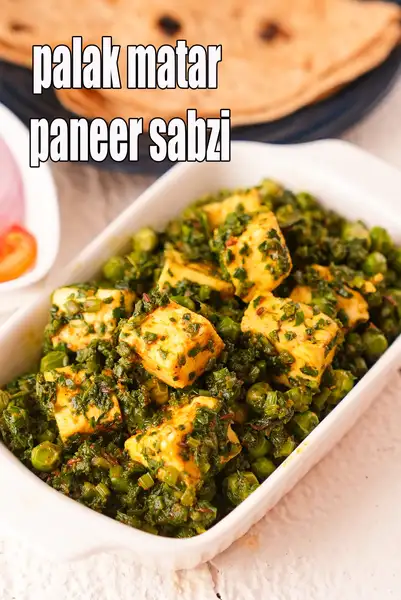
Palak contributes iron, but absorption is limited by the food matrix. Rotate greens and combine them with pulses, beans, soy, nuts/seeds and vitamin C-rich foods.

“If I feel tired, I should start iron tablets.”

Fatigue has many causes. Too much iron can be harmful, and some anaemias do not improve with iron. Testing and clinical advice are safer than self-prescribing high-dose supplements.

“Tea with lemon is fine with an iron-rich meal.”

Lemon can support absorption, but it does not make tea a good mealtime choice. The safer practical habit is to keep tea/coffee at least one hour away from meals.

“Cooking in iron cookware will cure anaemia.”

Iron cookware may increase the iron content of some moist, acidic foods, but the amount is variable. It can be a supporting kitchen practice, not a replacement for diagnosis and treatment.

Know when food is not enough

Symptoms, testing & treatment

Iron deficiency can exist before haemoglobin falls, and anaemia can have causes other than iron deficiency. A blood test—not symptoms alone—guides safe care.

Possible symptoms

Talk to a health professional if these persist

Unusual tiredness or weakness
Shortness of breath on exertion
Dizziness or headaches
Pale skin, mouth or nail beds
Fast heartbeat or palpitations
Poor concentration or reduced work capacity
Seek urgent medical care now

Chest pain, fainting, severe breathlessness, confusion, a very fast heartbeat at rest, heavy ongoing bleeding, or severe symptoms during pregnancy. A child who is very sleepy, difficult to wake, breathing rapidly or feeding poorly also needs urgent assessment.

A clinician may check

Diagnosis is more than one number

1

Complete blood count (CBC)Haemoglobin screens for anaemia; red-cell indices help describe the pattern.

2

Serum ferritinOften used to estimate iron stores, but inflammation can raise ferritin and complicate interpretation.

3

The causeHistory of diet, heavy periods or other blood loss; pregnancy; medicines; gut symptoms; infection/inflammation; B12/folate; parasites or inherited blood disorders may need consideration.

4

Response and follow-upIf iron is prescribed, repeat testing helps confirm that treatment is working and that stores are being replenished.

About iron or iron–folic acid (IFA) supplements

Take only as directed.Prevention programmes and treatment doses are not the same. Pregnancy, childhood and diagnosed anaemia require age- and condition-specific guidance.

Side effects can be managed.Dark stools are common; nausea, constipation or abdominal discomfort can occur. Do not stop silently—ask about timing, formulation or dose strategy.

Store locked away.Iron overdose can be fatal to children. Tell your prescriber about antacids, calcium, thyroid medicine and antibiotics because spacing may be needed.3

Extra attention

Who may need a tailored plan?

Needs and causes differ. Food advice should sit alongside appropriate screening, public-health supplementation and medical care.

Menstruating adolescents & adults

Heavy or prolonged periods can cause substantial iron loss. Seek care rather than repeatedly treating the diet alone.

Pregnancy & after birth

Iron needs rise. Follow antenatal haemoglobin testing and prescribed IFA; diet alone may not meet programme or treatment needs.6,7

Infants & young children

Use age-appropriate, iron-rich complementary foods from about 6 months and follow local IFA advice. Never give adult iron tablets.

Vegetarian or vegan diets

Plan regular non-haem iron sources and vitamin C pairings. B12 also deserves attention, especially in vegan diets.

Frequent blood donors

Ask the donation service or clinician about iron status, donation intervals and whether supplementation is appropriate.

Gut or chronic conditions

Coeliac disease, inflammatory bowel disease, bariatric surgery, chronic inflammation and some medicines can alter absorption or iron use.

Thalassaemia or other haemoglobin disorders

Do not assume low haemoglobin means iron deficiency. Take iron only if deficiency is demonstrated and your clinician recommends it.

Adult men & post-menopausal women

New iron-deficiency anaemia warrants evaluation for blood loss or poor absorption, not diet advice alone.

Grocery starter

Stock the pattern

Choose a few from each group. Fresh, frozen, dried and properly labelled fortified foods can all fit.

Iron foods

  • 2–3 dals
  • chana/rajma/lobia
  • 1–2 leafy greens
  • soy/tofu
  • sesame or peanuts
  • fortified staple
  • eggs, if used
  • fish/meat/poultry, if used

Vitamin C partners

  • guava
  • amla
  • lemon/lime
  • orange/mosambi
  • tomato
  • capsicum
  • green chilli
  • coriander

Preparation helpers

  • sprouting jar/cloth
  • clean storage boxes
  • lemon squeezer
  • labels for soaked foods
  • safe drinking water
  • measuring spoon

Tea-timing cue

  • water bottle at table
  • phone reminder
  • “chai later” note
  • between-meal tea tray

Quick answers

Frequently asked questions

Clear, cautious answers for common practical decisions.

How soon should I eat fruit after an iron-rich meal?

For non-haem iron, vitamin C works best when present in the same meal. Eat guava, citrus, amla, papaya or another vitamin C-rich food with the meal or immediately after it—not several hours later.

Does green tea also affect iron absorption?

Yes. Tea polyphenols—not just caffeine—are the main concern. If you are at risk of deficiency, keep black tea, green tea and coffee away from iron-rich meals.

Can I drink milk with an iron-rich meal?

Calcium may interfere with iron absorption in some settings, and calcium and iron supplements are commonly separated. Do not unnecessarily remove nutritious dairy from the entire diet; if you take iron or calcium tablets, ask your clinician or pharmacist how to space them.

Is a vegetarian diet compatible with good iron status?

Yes, with planning. Use varied pulses, beans, soy foods, greens, nuts/seeds and fortified foods; pair with vitamin C; keep tea/coffee away from meals; and investigate symptoms or abnormal blood results. Vegan diets also need a reliable vitamin B12 strategy.

What if iron tablets upset my stomach?

Tell the prescriber. They may adjust timing, formulation or dosing. Do not halve, stop or switch a prescribed product without advice. Black stools can be expected, but severe pain, vomiting, blood in stool or signs of allergy need prompt medical attention.

How long does it take to correct anaemia?

It depends on severity, cause, absorption, adherence and ongoing losses. Symptoms may improve before iron stores are fully replenished. Follow the prescribed duration and repeat blood tests; do not stop simply because you feel better.
Literature & guidance

Sources used

Priority was given to Indian national guidance, WHO material, government health programmes and established clinical nutrition references.

  1. World Health Organization. Anaemia fact sheet. Updated 10 February 2025. Causes, symptoms, prevention and the need to address underlying conditions.
  2. ICMR–National Institute of Nutrition. Dietary Guidelines for Indians—2024. Food-based dietary guidance, iron-rich foods, vitamin C and tea/coffee timing.
  3. NIH Office of Dietary Supplements. Iron: Fact Sheet for Health Professionals. Iron forms, absorption, assessment, risk groups, supplements and safety.
  4. Longvah T, Ananthan R, Bhaskarachary K, Venkaiah K. Indian Food Composition Tables 2017. ICMR–NIN; analytical data for Indian foods.
  5. Ahmad Fuzi SF, et al. A 1-h time interval between an iron-containing meal and tea attenuates inhibition of iron absorption. Am J Clin Nutr. 2017;106(6):1413–1421.
  6. WHO. Daily iron and folic acid supplementation during pregnancy. Public-health recommendation; individual treatment requires clinical care.
  7. Ministry of Health & Family Welfare, Government of India. Update on Anaemia Mukt Bharat. Life-course IFA supplementation and programme interventions, 2025.
  8. Hurrell R, Egli I. Iron bioavailability and dietary reference values. Am J Clin Nutr. 2010;91(5):1461S–1467S. Review of enhancers and inhibitors of iron absorption.
Editorial note: This page translates population and nutrition guidance into practical patient education. It does not provide a personalised iron dose, diagnose anaemia or replace a clinician’s advice. Evidence about absorption from single meals does not guarantee correction of established deficiency. Last literature review: 26 August 2026.